Finding an innovation to adapt in a new environment involves understanding more than simply the innovation’s effectiveness. The innovation also needs to be a good fit for the context and situation in which it will be adapted. To support your success, take the following actions:
- Talk with the people who will implement or benefit from the innovation. Learn what their priorities are.
- Talk to colleagues who are working to solve similar problems.
- Talk to community members and explore ideas together.
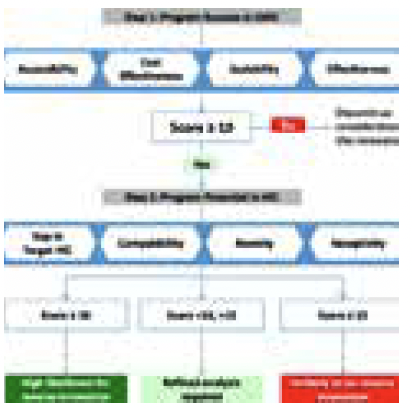
Once you have a sense of the priorities and needs in your setting, scan the academic literature and global health databases for promising innovations. You can use tools like the Criteria to assess potential reverse innovations (Bhattacharyya et al. 2017) to evaluate the “fit” of innovations for your setting.
See it in action:
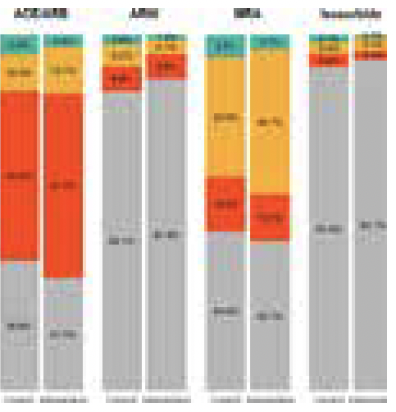
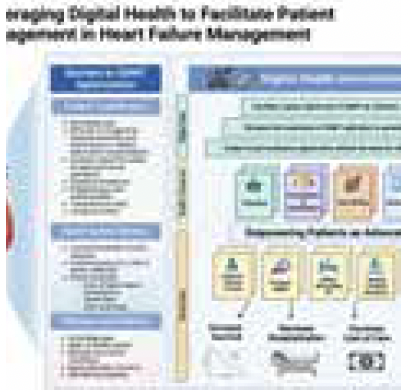
2022-2024: Researchers at Stanford University develop a “patient activation tool” called ENGAGE-HF to help people with Heart Failure with Reduced Ejection Fraction (HFrEF) manage their Guideline Directed Medical Therapy (GDMT). The tool includes educational videos for patients, monitoring of vitals with bluetooth-enabled blood pressure cuffs and scales, a space for tracking GDMT progress, and mechanisms for sharing patient data with healthcare providers for monitoring and GDMT adjustments.
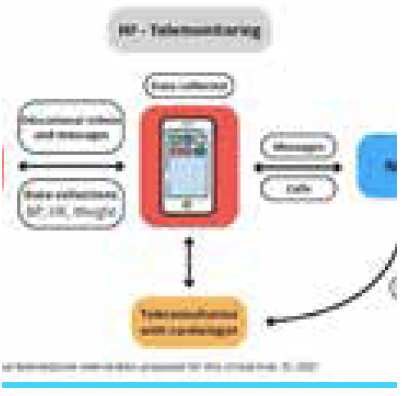
2022-2025: Digital health intervention to optimise heart failure management after hospital discharge in Brazil (OPT-HF). Researchers in Brazil developed a mobile app to engage and educate HFrEF patients, along with a chat function to communicate with health care providers. They added a clinical decision making tool for clinicians, and are evaluating its efficacy for optimizing GDMT, reducing hospital readmissions, and improving patients’ cardiovascular health.
Today: A team of researchers at University of Washington and University of Idaho are applying the principles of reciprocal innovation to learn from the prior work in the US and Brazil to create ADOPT-HF, a tool for optimizing GDMT for patients with HFrEF in the rural Western US. The study is being implemented in primary care clinics within the WWAMI region Practice and Research Network (WPRN) – a network of more than 120 primary care practices organized by a Coordinating Center to conduct collaborative research in primary care community-based clinical settings